








Discover how autumn leaves turn into dark, oxygen-depleting muck at the bottom of your Manitoba pond or dugout. Learn the biological process behind seasonal leaf decomposition and practical prevention steps to protect your water quality.
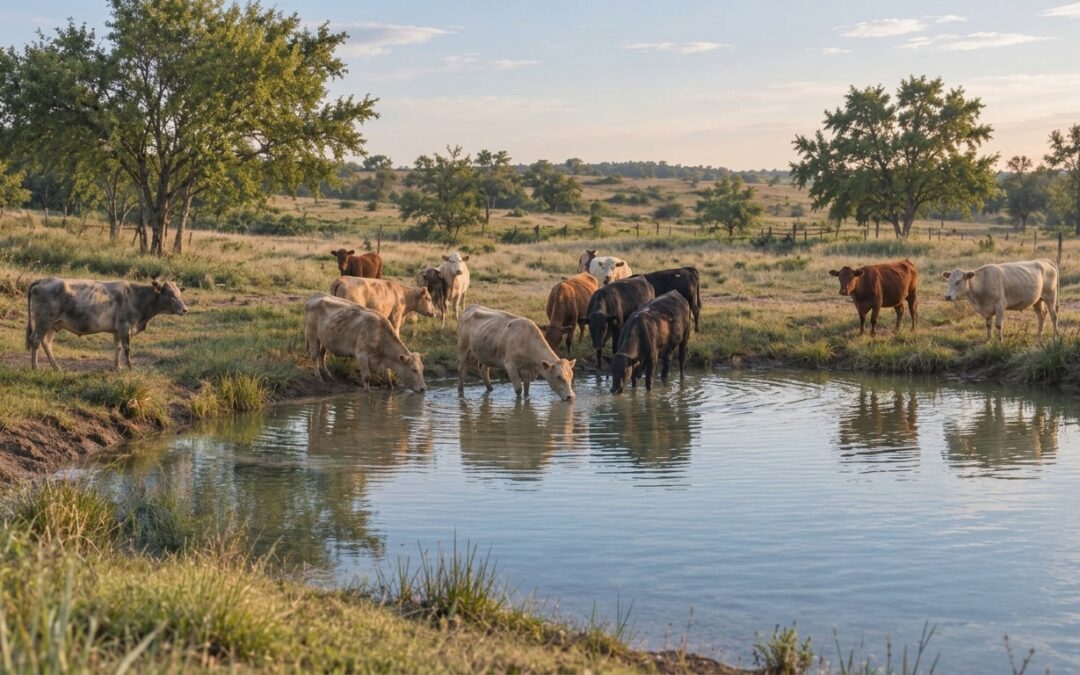
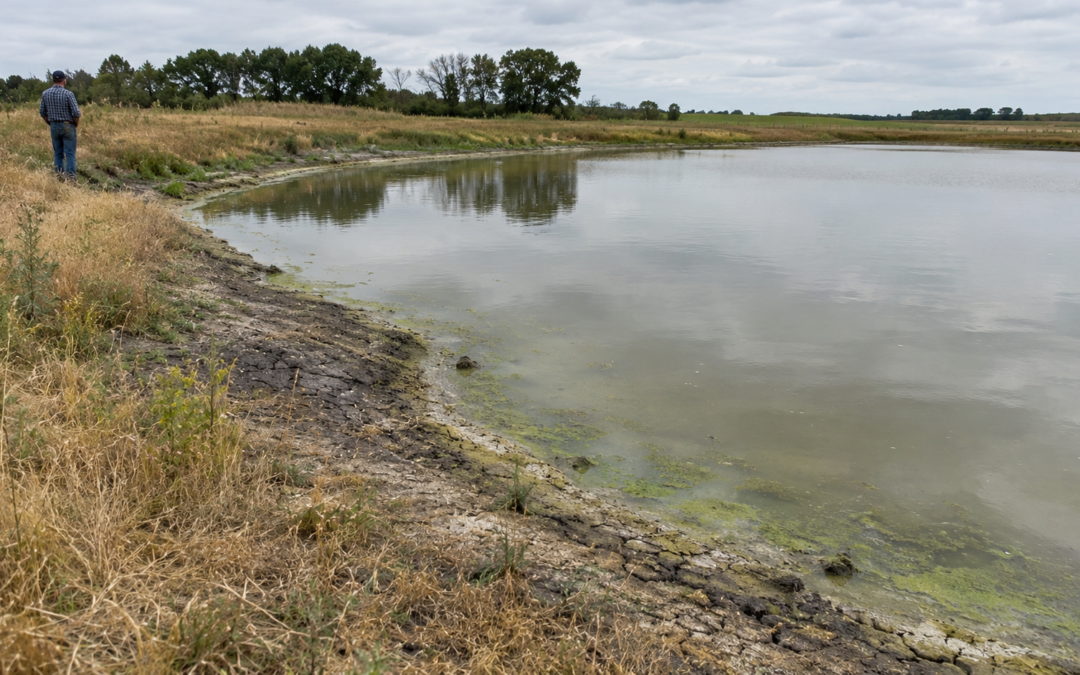
By late summer, clear dugout water can quickly turn soupy and green. While it is easy to write this off as “just algae,” the underlying culprit is often phosphorus. High nutrient levels quietly degrade water quality, reduce livestock water intake, and pose severe health risks to your herd. Here is what Manitoba livestock producers need to know about phosphorus buildup and the field-tested treatment steps that restore dugout balance.
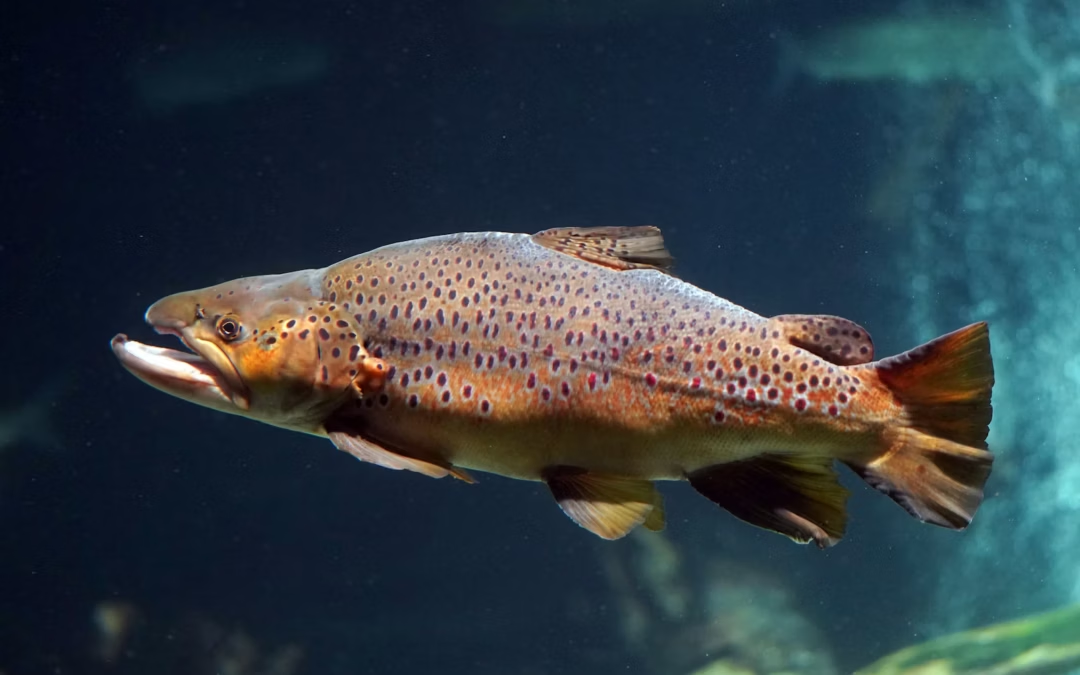
Trout are especially vulnerable to Manitoba’s summer heat, when rising water temperatures and falling dissolved oxygen can create dangerous conditions. Learn how thermal stratification, oxygen depletion, and sudden turnover contribute to trout stress and die-offs and what pond owners can do with aeration, monitoring, and proactive management to protect their fish.
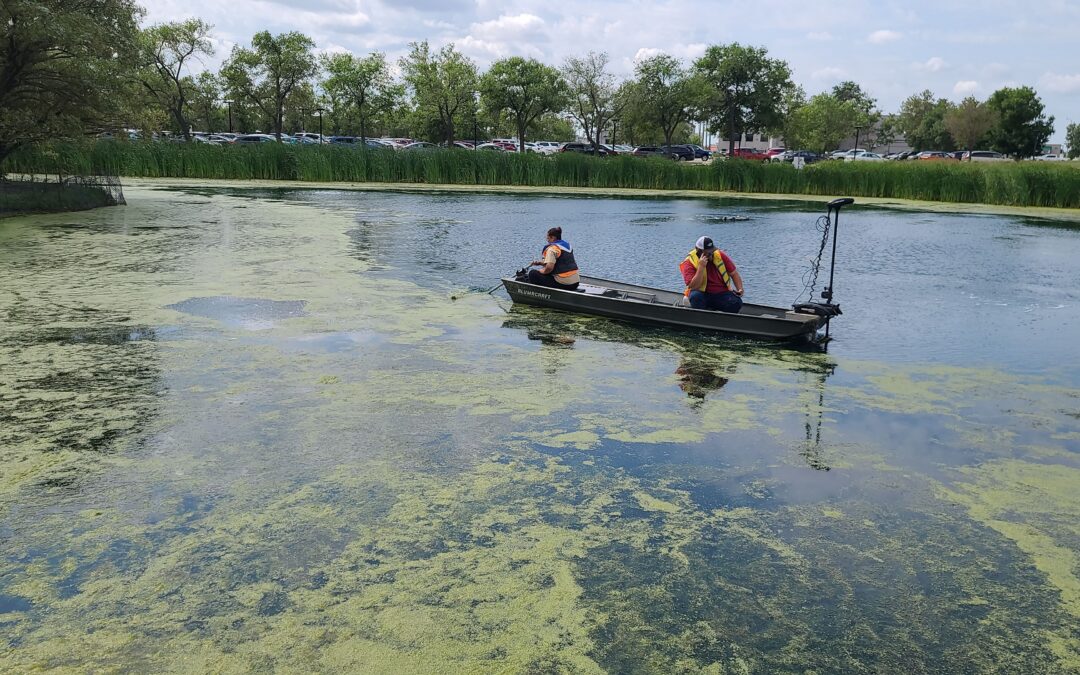
Discover why Manitoba ponds experience sudden algae explosions in July. Learn how warm water temperatures, peak sunlight, and internal phosphorus loading from bottom sediment trigger these massive summer blooms, and explore effective ways to restore your water quality.
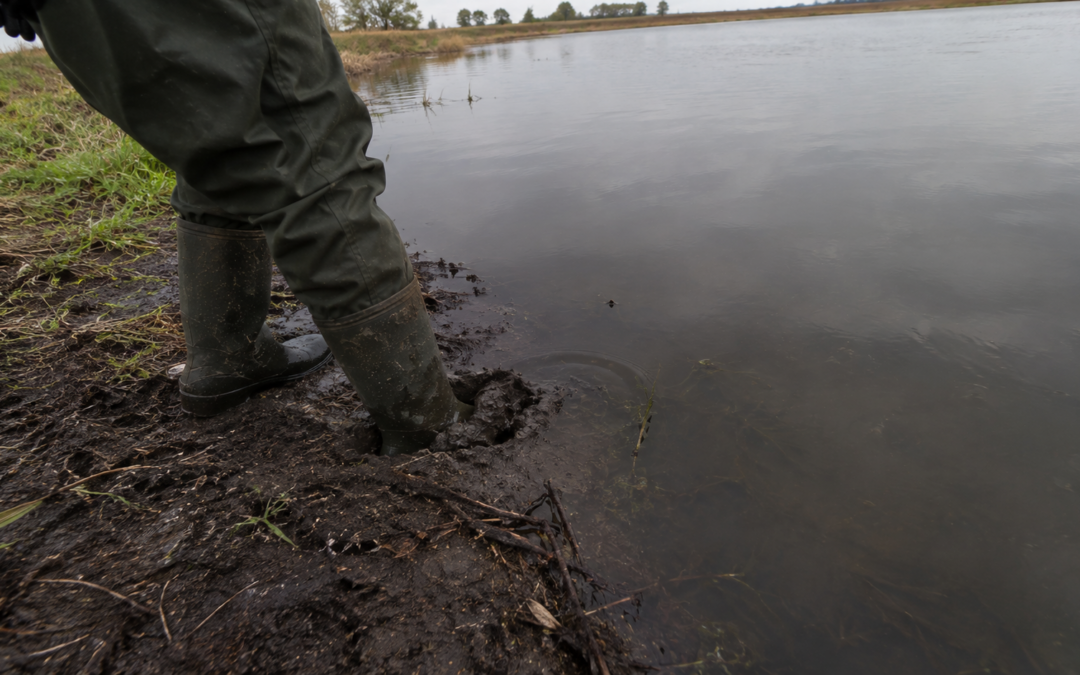
Pond muck is not just an aesthetic problem. It’s a layered hazard — physical, chemical, biological, and structural — that builds invisibly and worsens reliably unless actively managed. The safety risks it creates for people, pets, and wildlife are real and well-documented, and the long-term damage it inflicts on pond function is significant and expensive to reverse.
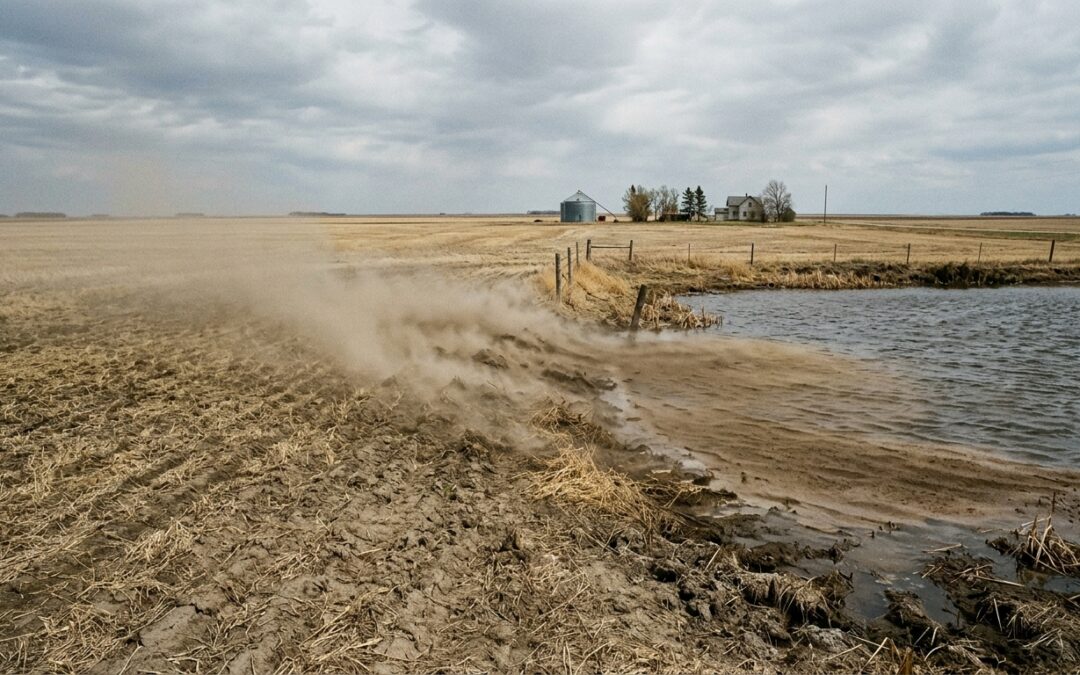
A powerful prairie dust storm can leave more than just a dramatic sky—it impacts your pond’s health. Learn how airborne sediment, nutrients, and organic debris affect water quality and what steps to take after the storm.
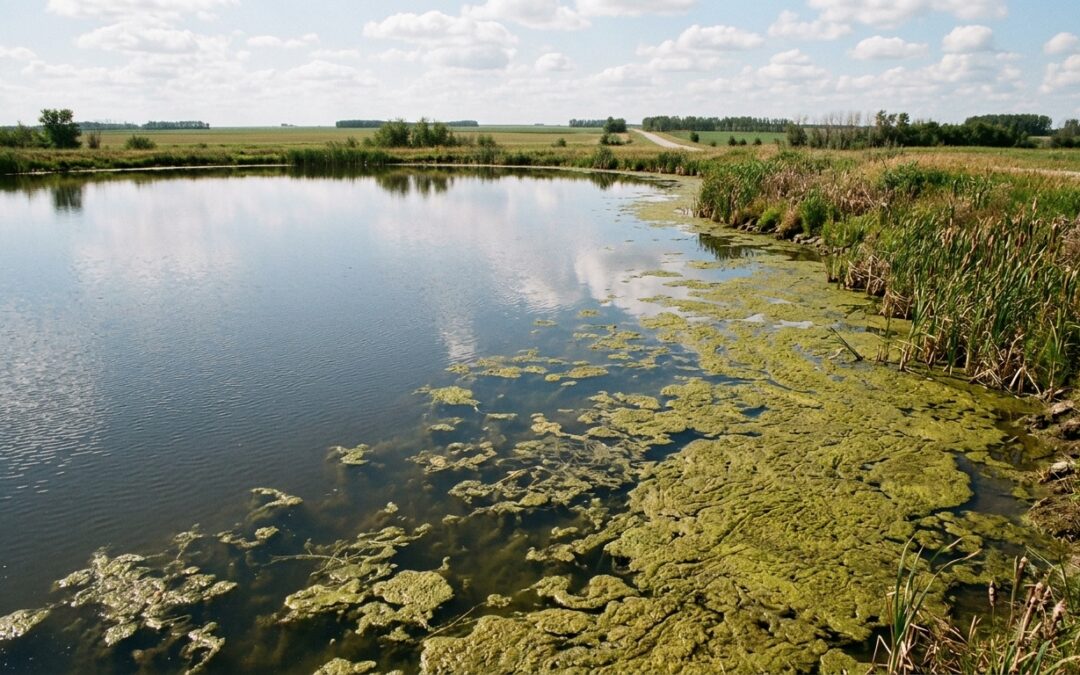
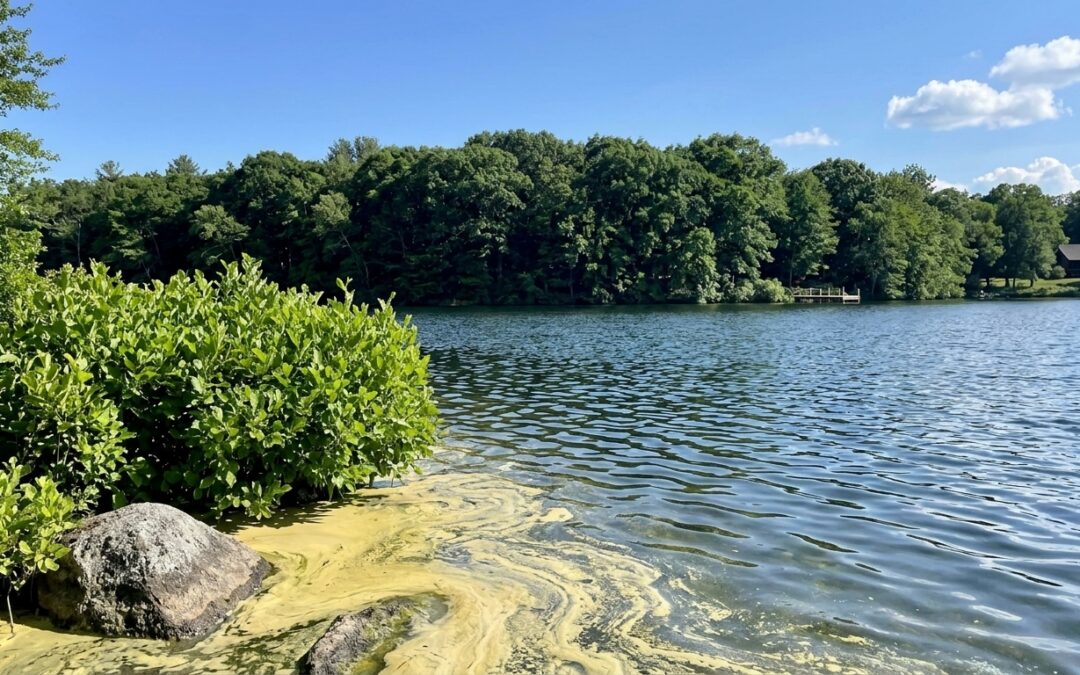
A pond that looks fine in spring can be compromised by July. The early indicators are subtle — a slight color shift, a faint odor, a thin film at the edge. By the time the algae is visible, the underlying chemistry has already shifted significantly.
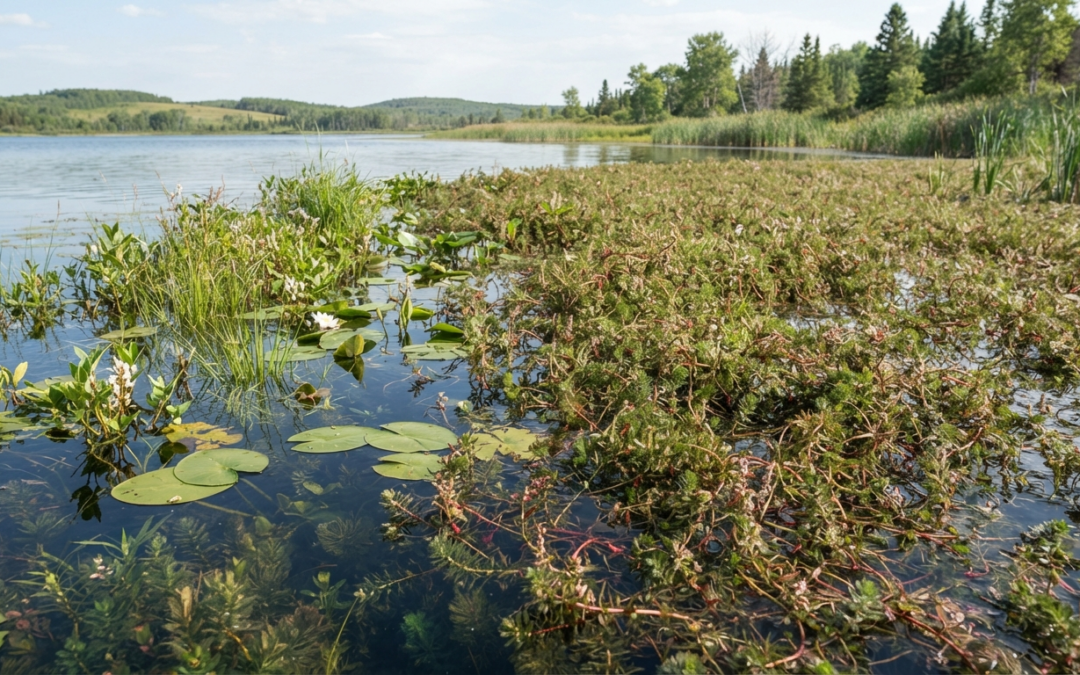
Not all invasive species carry the same ecological weight. Some alter water chemistry, others displace native fish, and some transform the physical structure of entire wetland systems. Below are four of the most consequential species currently threatening Manitoba water bodies.
A pond that goes into pollen peak with strong bacterial populations, good oxygen levels, and a clear baseline has an excellent chance of coming through the spring window with water clarity intact. A pond that waits for the problem to be visible before acting will spend the entire summer playing catch-up.
CWP Sludge & Muck Reduction – Stormwater Ponds & Farm...